
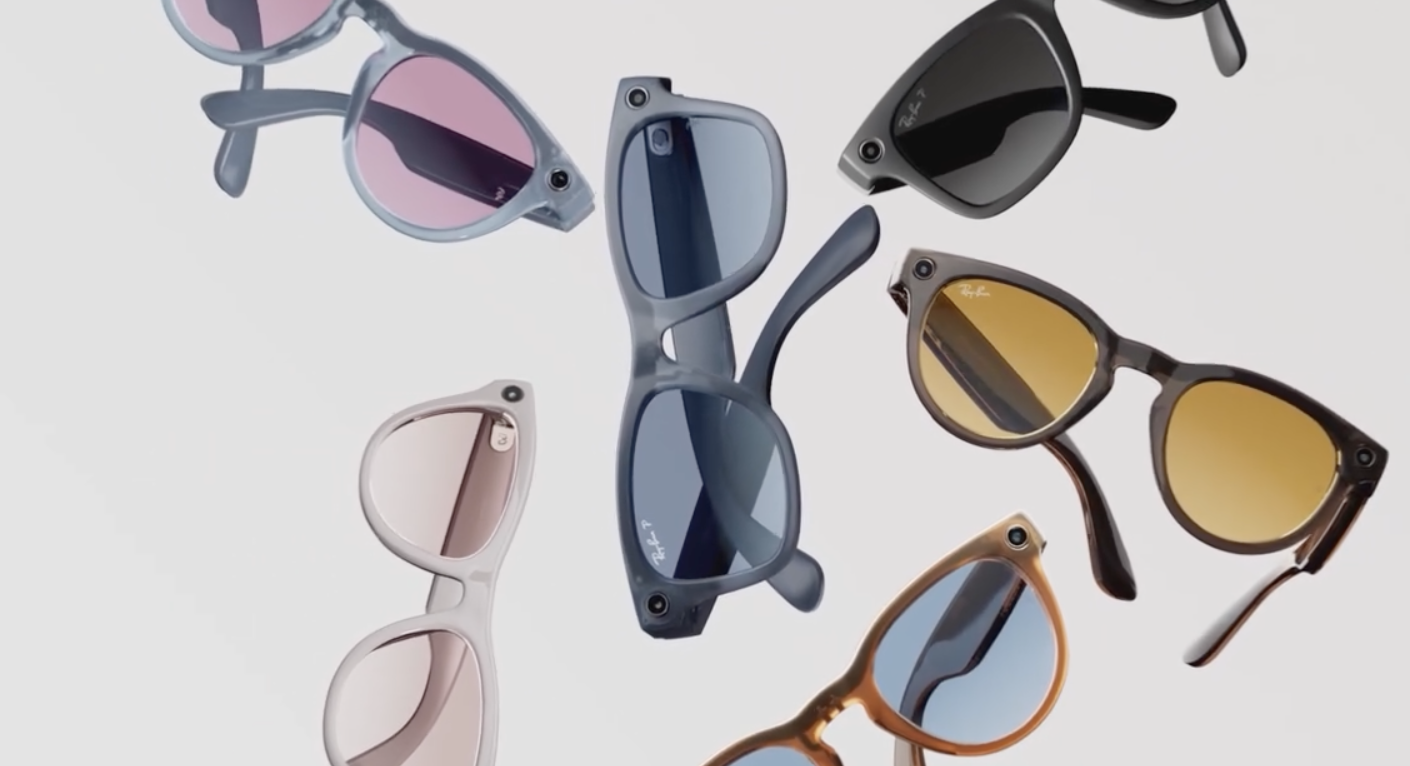
Meta Can’t Be Trusted With Smart Glasses (Inside Orchard)
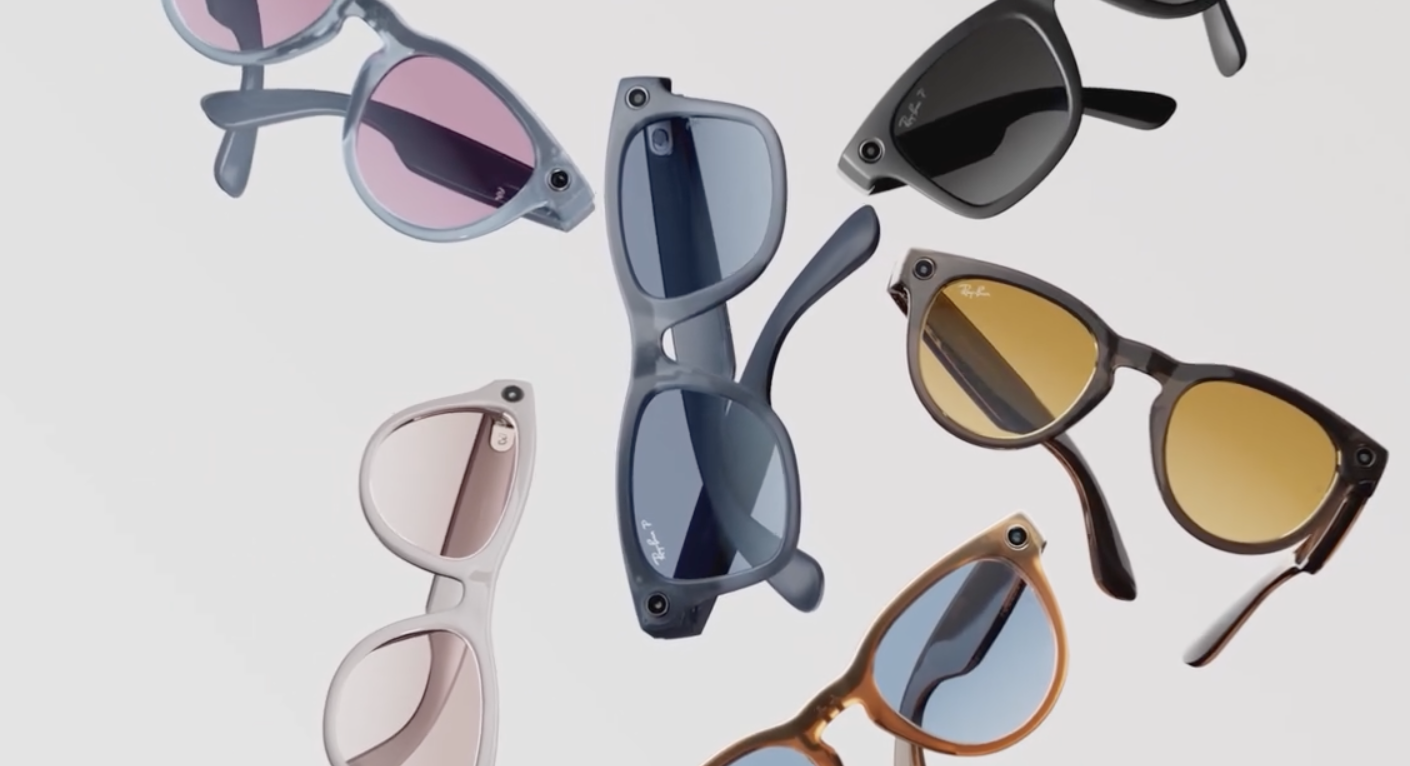
Last week, the NYT published a bombshell of a report that alleged Meta was looking to add facial recognition to its Ray-Ban Meta smart glasses while civil liberty groups were preoccupied with “the political tumult in the United States.” The report also alluded to Meta possibly using accessibility as a guise to avoid backlash found with facial recognition. If the reporting is accurate, it’s bottom of the barrel awfulness that should be denounced.
Given the NYT’s unfair coverage of Apple, part of me is hesitant to believe this latest Meta story. However, the statement Meta provided the NYT and the specific allegations regarding what was found in an internal memo add credibility to the story. In addition, what is being alleged isn’t out of character for a company that has been involved in a long list of incidents involving lackluster privacy protections and secret data collection.
Consensus is being too laissez-faire with Meta’s move into smart glasses. It’s time to put tech fascination aside to state the uncomfortable truth: Meta’s broadening move into smart glasses can’t be trusted as it pertains to upholding privacy and data protections.
Meta has been dabbling in hardware for
Become an Inside Orchard subscriber today to continue reading. Already a subscriber? Sign in and read the full essay here.
An audio version of this essay is also available to subscribers. Sign in for instructions on getting the private podcast up and running in your favorite podcast player.
Choose either a monthly or annual subscription. Payment is processed by Memberful and secured by Stripe. Apple Pay and other mobile payment options are accepted.
Inside Orchard is part of the Above Avalon ecosystem. Special bundle pricing is available when combining an Inside Orchard subscription with an Above Avalon Daily subscription.
Subscriber Privileges and Benefits
Receive Exclusive Essays. The cornerstone of an Inside Orchard subscription is access to Neil’s essays on the latest developments in the technology industry. Weekly essays are ~1,000 words and sent via email. Essays revolve around the following topics: technology industry analysis, business model analysis, technology’s impact on societal and consumer trends. Create a free profile to read a few sample essays.
Access Exclusive Private Podcast. Listen to Inside Orchard essays via an exclusive private podcast. After becoming a subscriber, all previously-published podcast episodes become available in your favorite podcast player. Podcast episodes never become available to the public.
Inside Orchard Support. Play an active role in supporting Inside Orchard as an independent source of analysis and perspective. Inside Orchard is 100% supported by its subscribers.
Meta’s Ray-Ban Stories Sales Figures Leak, Ray-Ban Stories’ Retention Problem, Ray-Ban Stories vs. Vision Pro
Hello everyone. It’s good to be back. It looks like the news flow was relatively quiet. This will afford us time to catch up on a few items. For today’s update, we take a closer look at the WSJ’s reporting regarding Meta’s Ray-Ban Stories smart glasses. The discussion includes a broader overview of why the devices have such a poor retention problem with users.
Today’s email will focus on an update regarding the smart glasses space.
Meta’s Ray-Ban Stories Sales Figures Leak
In an article published on August 3rd, here’s the WSJ:
“The Ray-Ban smart glasses launched by Meta Platforms almost two years ago have struggled to catch on with owners, many of whom appear to be using the devices infrequently, according to internal company data.
Less than 10% of the Ray-Ban Stories purchased since the product’s launch in September 2021 are used actively by purchasers, according to a company document from February reviewed by The Wall Street Journal. Meta sold a total of 300,000 of the wearable devices through February, but the company only had about 27,000 monthly active users.
The device, an important part of Meta’s hardware strategy, allows users to take photos and listen to music with the frames of their glasses, among other features. It has experienced a 13% return rate, according to the document.
Among the top drivers of poor user experience were issues with connectivity, problems with some of the hardware features including battery life, inability for users to import media from the devices, issues with the audio on the product and problems with voice commands for the smart glasses, according to the document.”
Meta released Ray-Ban Stories in September 2021 as the world was still engulfed in the pandemic. Travel and work patterns were disrupted while leisure activities hadn’t returned to normal. After an initial burst of media exposure, the buzz surrounding Stories quickly evaporated. There was good reason to assume the product wasn’t selling well.
We now have what appears to be our answer. With a $299 starting price, Meta sold 300,000 pairs of Stories in 18 months or so. That isn’t good. We aren’t talking about a HW start-up trying to get in front of consumers.
An Above Avalon membership is required to continue reading this update. Members can read the full update here. An audio version of this update is available to members who have the podcast add-on attached to their membership. More information about the podcast add-on is found here.
(Members: Daily Updates are always accessible by logging into Slack. If you haven’t logged into Slack before, fill out this form to receive an invite.)
Above Avalon Membership
Payment is processed and secured by Stripe. Apple Pay and other mobile payment options are accepted. Special Inside Orchard bundle pricing is available for Above Avalon members.
More information about Above Avalon membership, including the full list of benefits and privileges, is available here.